Life Story So Far
Dean Strautins
Australia · Latvia
"Contributing to humanity"
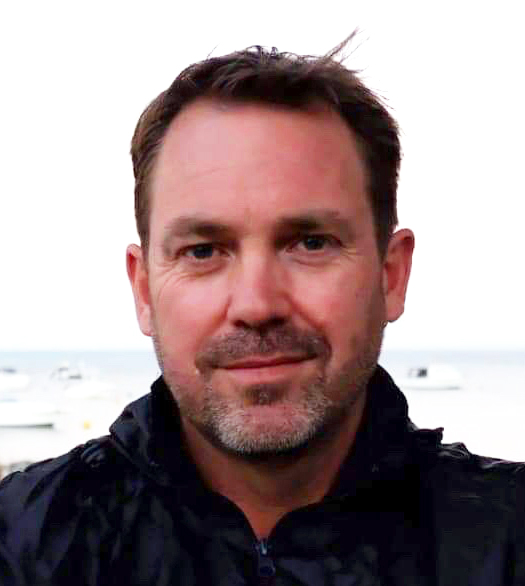
Dean Strautins is an Australian of Latvian heritage, bush wacker, international business leader, entrepreneur, tradesman and former elected Councillor whose life reflects persistence, self-education and practical service.
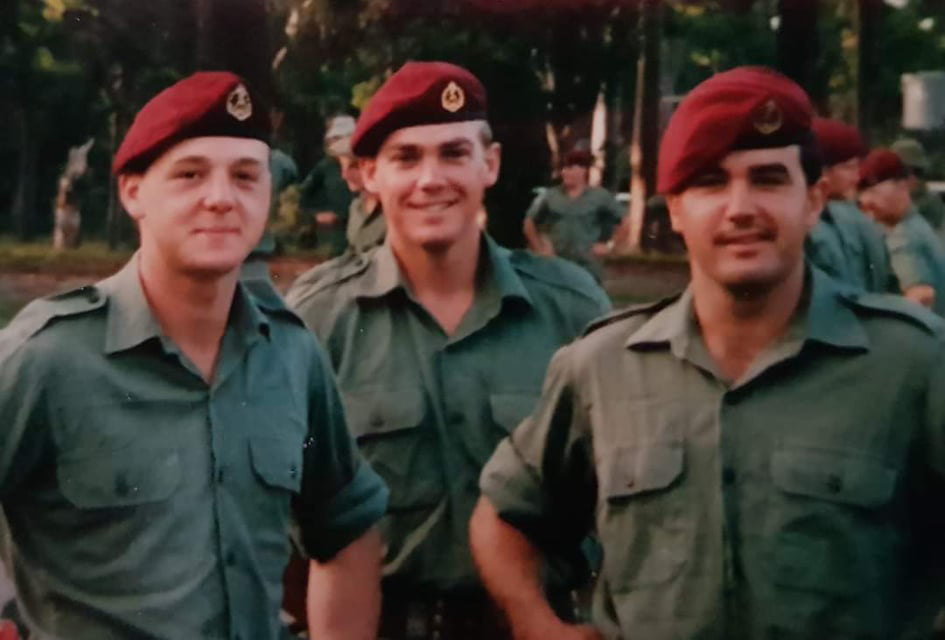
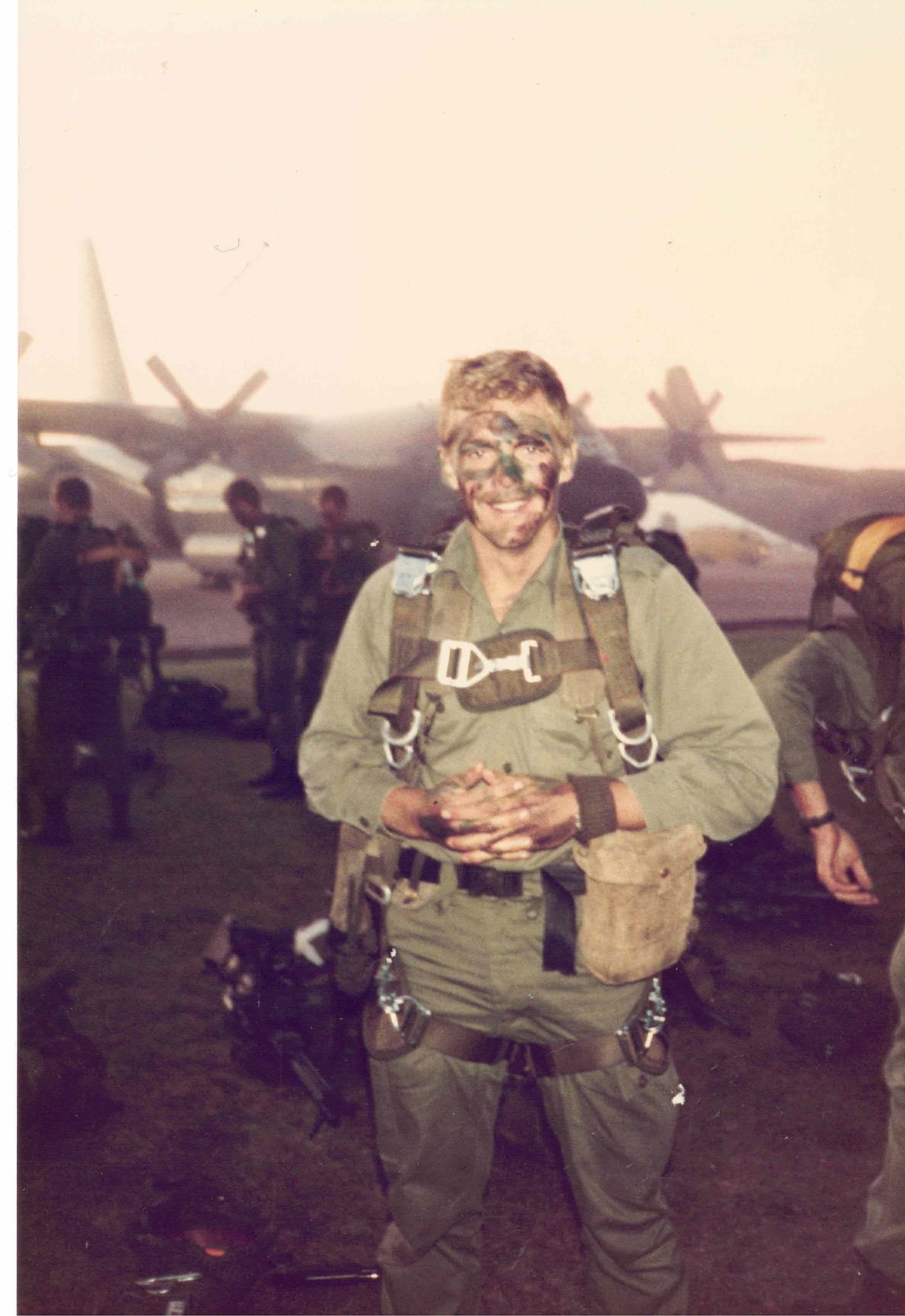
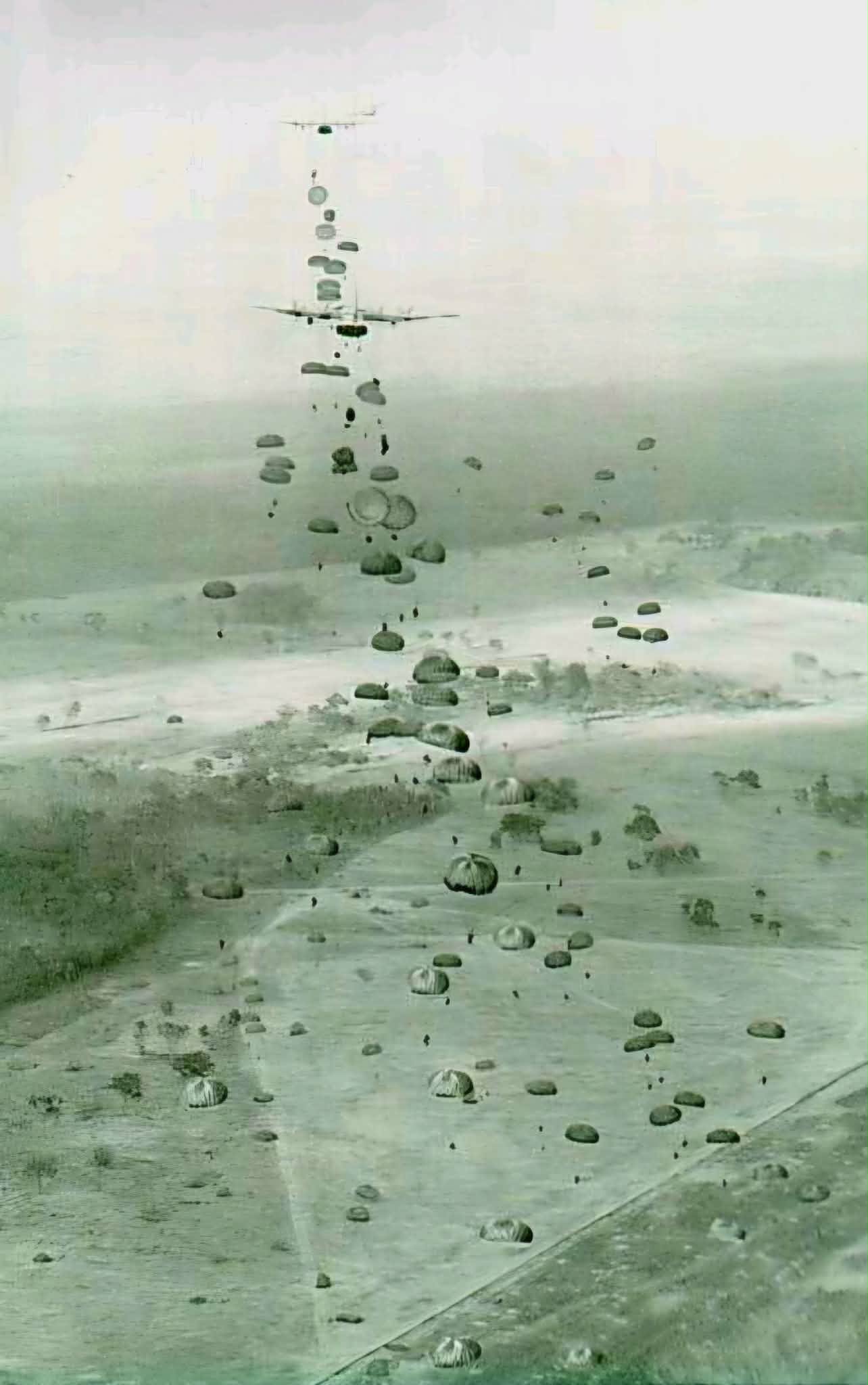
He served in the Australian Army Infantry from 1986 to 1994. Qualified as a paratrooper with 3RAR, and passed selection for the Special Air Service Regiment. His service included static line and free fall airborne operations as well as high-altitude HAHO and HALO parachuting as well as an accomplished Counter Terrorism Sniper
Moving from the Army Dean then completed a Bachelor of Commerce in International Business and studies International Trade and Mandarin Chinese making use of four universities to complete his ambitions within three years. Dean lived in China from 1996 to 1999, worked for Shanghai East Gate and became General Manager China for Compuware in Beijing. In 1999, he addressed hundreds of government and private-sector representatives in Mandarin on Year 2000 compliance testing procedures.
Back in Australia Dean continued with Compuware targetting data management needs in Sydney and Canberra. Then Dean was head hunted to become State Manager for WA and SA achieving for his US based company more than anyone else globally. Dean's desires to be free of institutional shackles then worked in Real Estate in the most prestigious suburbs of Perth. Then seeking to return to the International arena Dean started studying law with the University of London but then diverted to live in Latvia , the land of his forefathers. Over eight years Directed directed the Business Development Lab at the Stockholm School of Economics in Riga for three years whilst concurrently establishing his own businesses in tourism.
The cycle continues where Dean becomes a father concurrent to moving towards revealing his life destiny.
Life Story
Dean Strautins was born on 19 August 1967 in North Fremantle, the third child of Edmund and Janice Strautins. His sister Eve was born in November 1963, followed three years later by Clint. Because Clint was still an infant when Dean arrived, Dean grew up feeling that his birth had been regarded as an inconvenience. That early sense of dismissal shaped his efforts to understand his family and himself.
Edmund was a Latvian displaced person in Germany whose childhood was overtaken by war. Ed left Naples aboard the *Nea Hellas* on 23 February 1949 and migrated to Australia with other European refugees. Ed studied and worked in engineering and geology, participated in Latvian and Baltic organisations and performed with the Canberra Symphony Orchestra. Dean later interpreted some of his father’s behaviour through the effects of war, displacement and cultural dislocation, he remained clear about distancing himself from the violence against his mother and all the children. Edmund offered little explanation of his inner life, leaving Dean to reconstruct much of the family history himself.
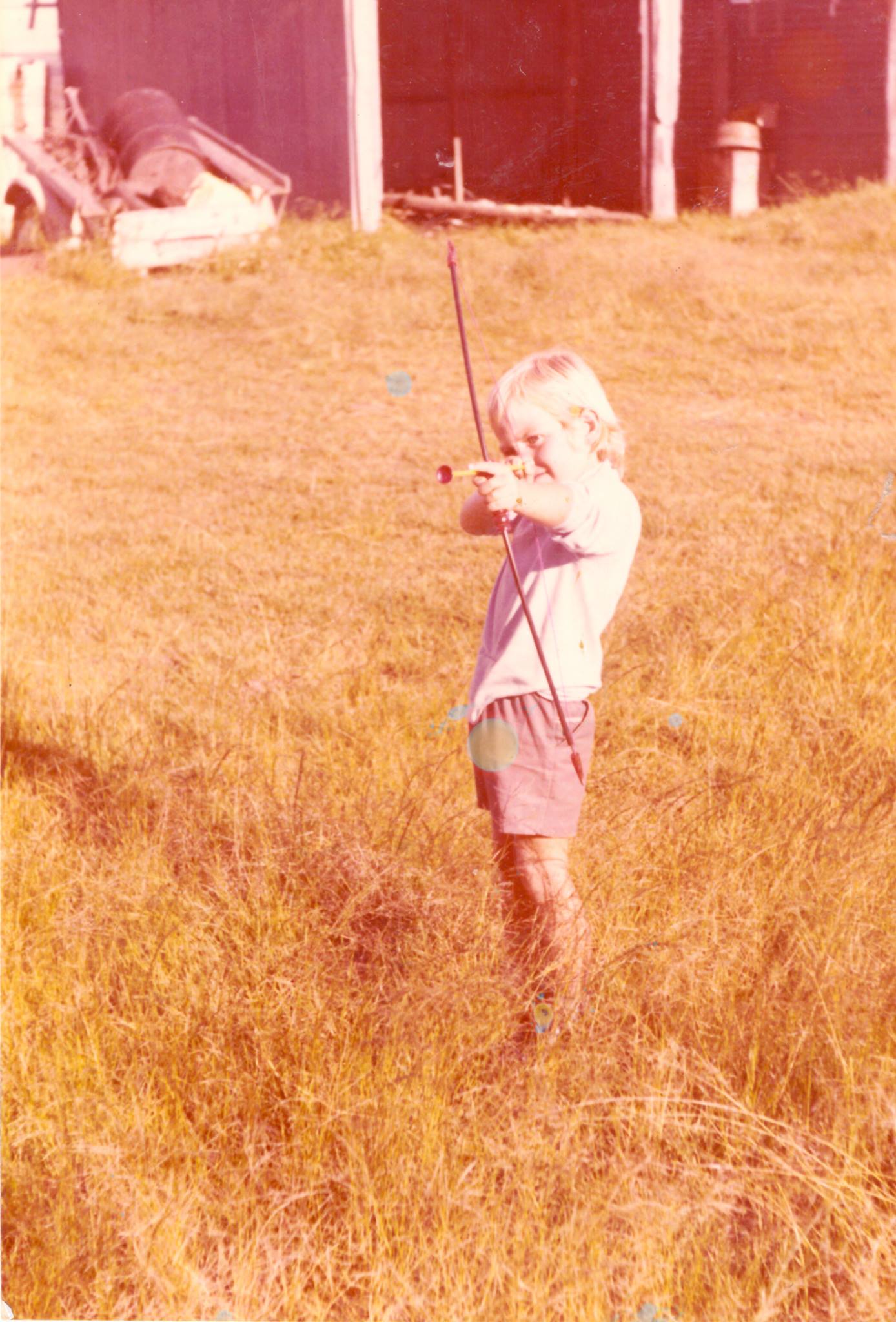
Dean’s earliest coherent memories came from the Armidale district of New South Wales. At about four, he and Clint found matches and set fire to hay in a barn. Clint ran for help while Dean proposed that they “play firemen”; neighbours saw the smoke and arrived in time to save what they could. At five, Dean befriended Cliff, a construction worker building a bridge across a creek near Marsh Street Armidale. Cliff gave him a hard hat and let him observe the work, encouraging continued pursuit of mentors.
The family later drove across Australia to Perth when long sections of road remained unsealed with little traffic enabling them to camp nights beside the road. After periods in Lathlain and Rivervale, the family moved to Canberra when he was seven.
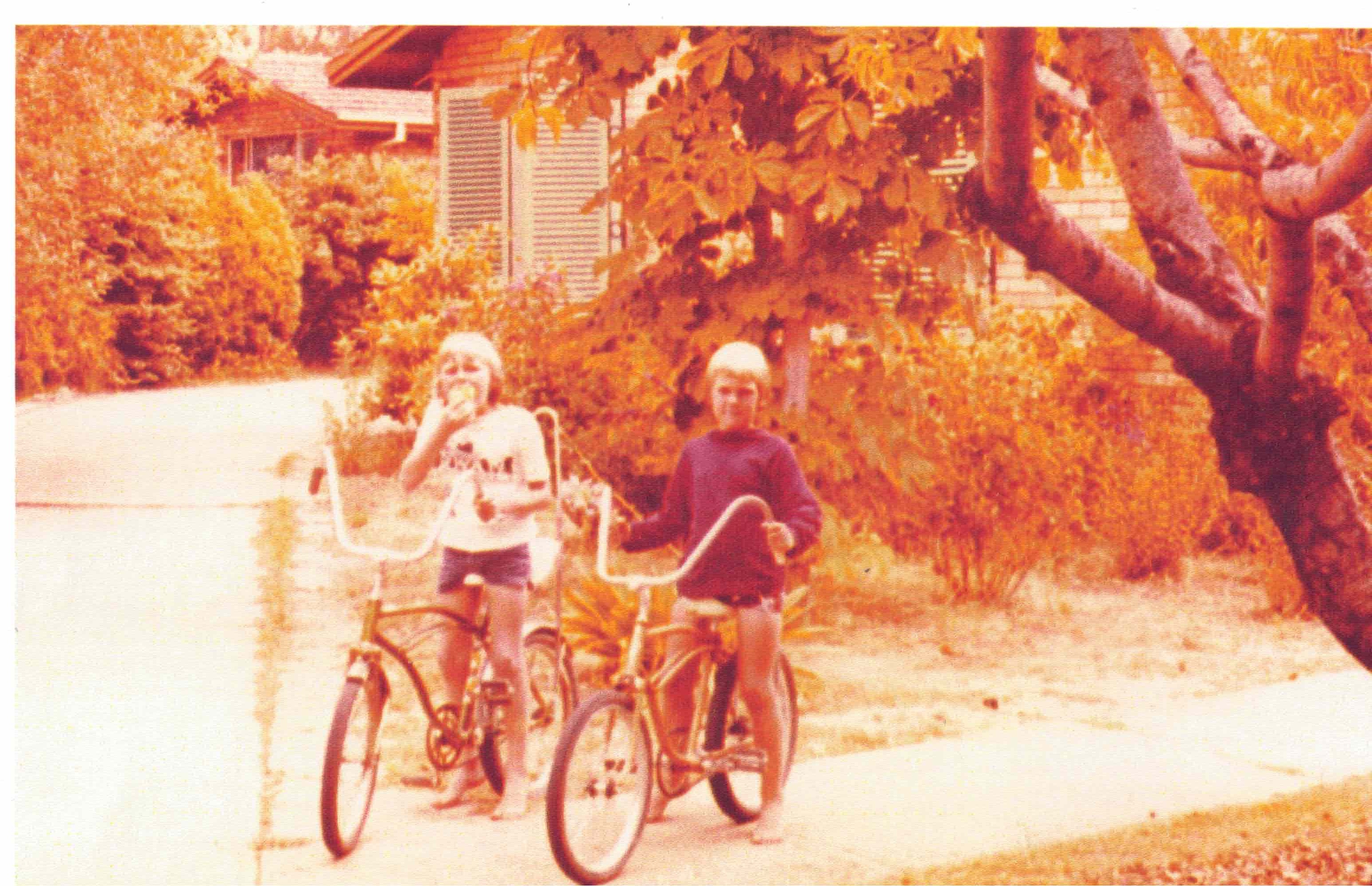
Living at 25 State Circle, Forrest, Dean cycled freely through the surrounding suburbs and once started a fire on Capital Hill, where the new Parliament House was later built. From seven to twelve, he attended Forrest Primary School preferring sport and the outdoors to classroom work. He and his friend Stephen Thompson were usually placed on opposing lunchtime rugby teams because they were considered too strong together. When Dean objected, the two of them they played against 15 others and won.
Raising money for Cub Scouts Dean then continued the practice working for himself weeding gardens, cutting lawns, raking leaves and sold oak tree seedlings door to door. Later when moved to Garran, Dean, at a nearby golf course collected lost balls for resale, worked as a caddie becoming so proficient to recommend clubs after assessing a golfer’s ability. He gathered cow manure from Red Hill to sell at the shops and collected refundable bottles.
After Janice and the children left Edmund, they lived in Narrabundah before returning to Perth. During a school holiday near Canberra, Dean chose farm work over a beach holiday. When he was later dropped off back in Canberra on Northbourne Avenue, he ran into an apparently empty traffic lane and was struck by a car. He he spent a week in hospital whilst hiss right femur was reset.
The driver, Charlie Campbell, visited him there. Charlie worked as a chef near Dean’s home. When Dean later heard Charlie’s employer speaking harshly to his wife by telephone, he told the man to treat her more kindly. Charlie and his colleagues thanked Dean because they felt unable to challenge their boss. The incident strengthened Dean's willingness to speak when others felt constrained.
At thirteen, Dean's family moved back to Perth where they lived in East Victoria Park. At the local Park Centre shopping centre Dean befirended John and Jan Jenkins in their automotive parts and bicycle shop. Their encouragement contrasted with the dismissal he felt elsewhere. Opposite the Jenkins shop was Tandy Electronics where Dean programmed a display computer using the first ever computer code - BASIC, prompting an ambition to attend university and become a computer programmer. But that was not ever going to happen.
At Kent Street High School there was no prior education record so Dean asked to enter a basic stream, believing he could work his way upwards. When the work proved too easy, the school refused to advance him. Although he performed strongly in science, he became bored and stayed away increasingly often. So much so the Truant Officer came knocking on the door. Dean left during the first month of Year 11 in 1982, convinced that completing secondary school was beyond him.
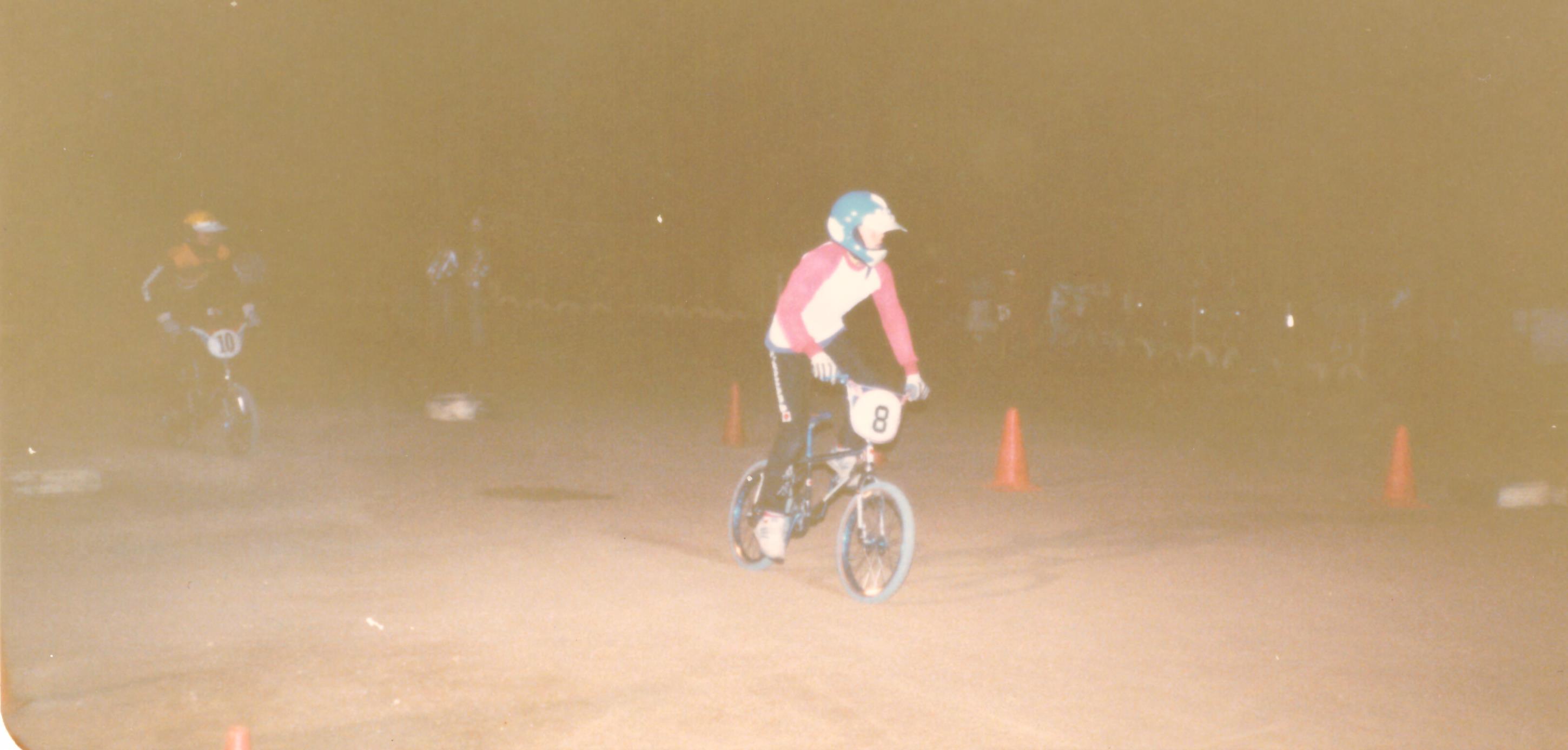
That year he set out alone to cycle from Perth to Canberra. Poor equipment, cold weather and limited money ended the cycling portion at Balladonia after seven days so he then hitchhiked the remaining distance. He later entered cycling races in Canberra and Sydney, but a dropped chain disrupted the first and a crash broke his left wrist in the second. After emergency surgery for a burst appendix, he returned to competition too soon and eventually abandoned racing from all the setbacks that included self handicapping from cycling to the race start location.
Dean tried unsuccessfully to obtain a mechanical apprenticeship mostly because he did not know how to go about it. Without sport or a clear vocational path, Dean became involved with former school acquaintances to disrupt paedophiles from preying on vulnerable children. Detectives arrested him, and he spent a night at Longmore then a court magistrate gave him an opportunity to change direction rather than impose the most severe available outcome. Dean regarded it as the lowest point of his adolescence and a decisive reprieve.
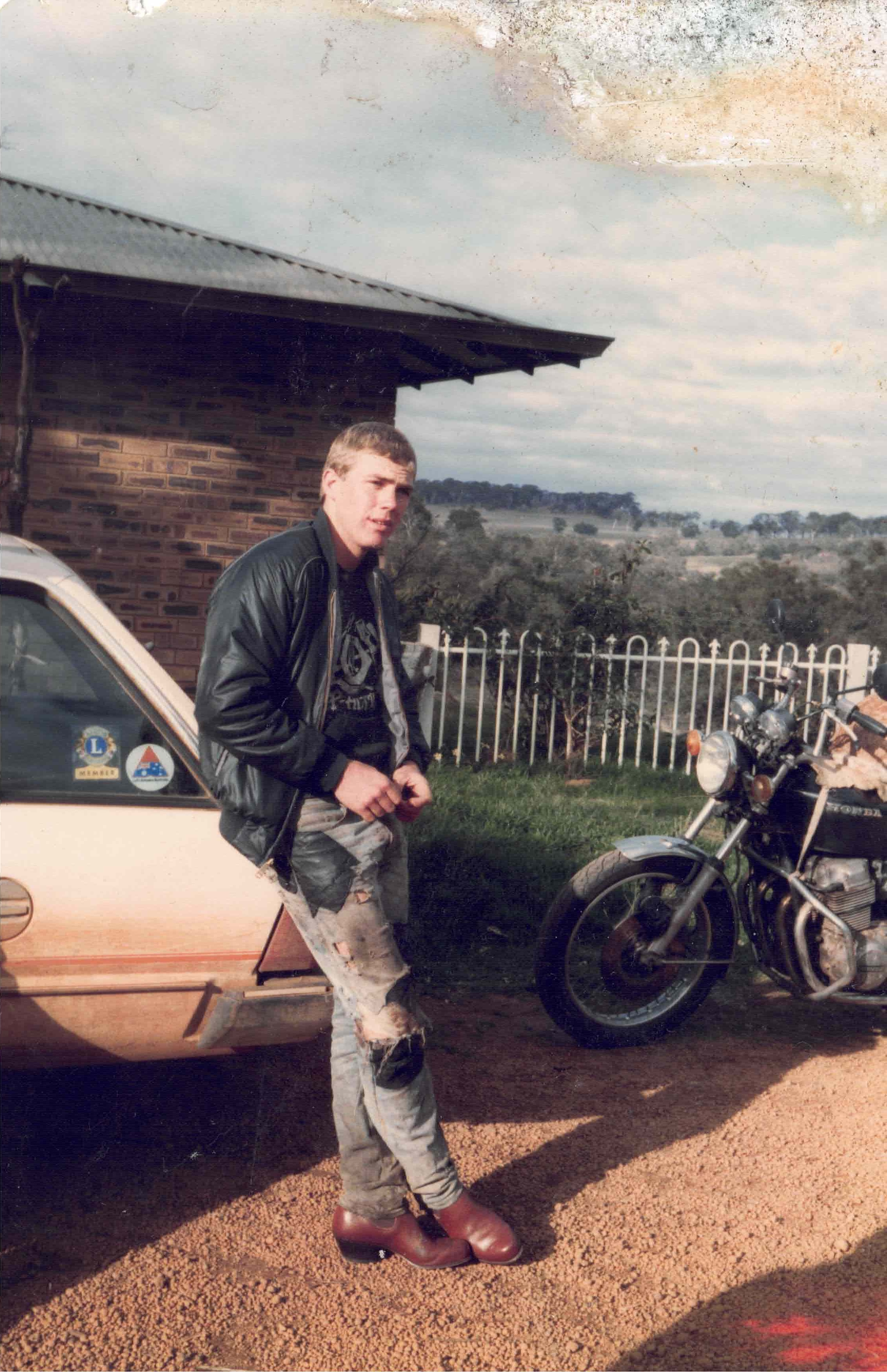
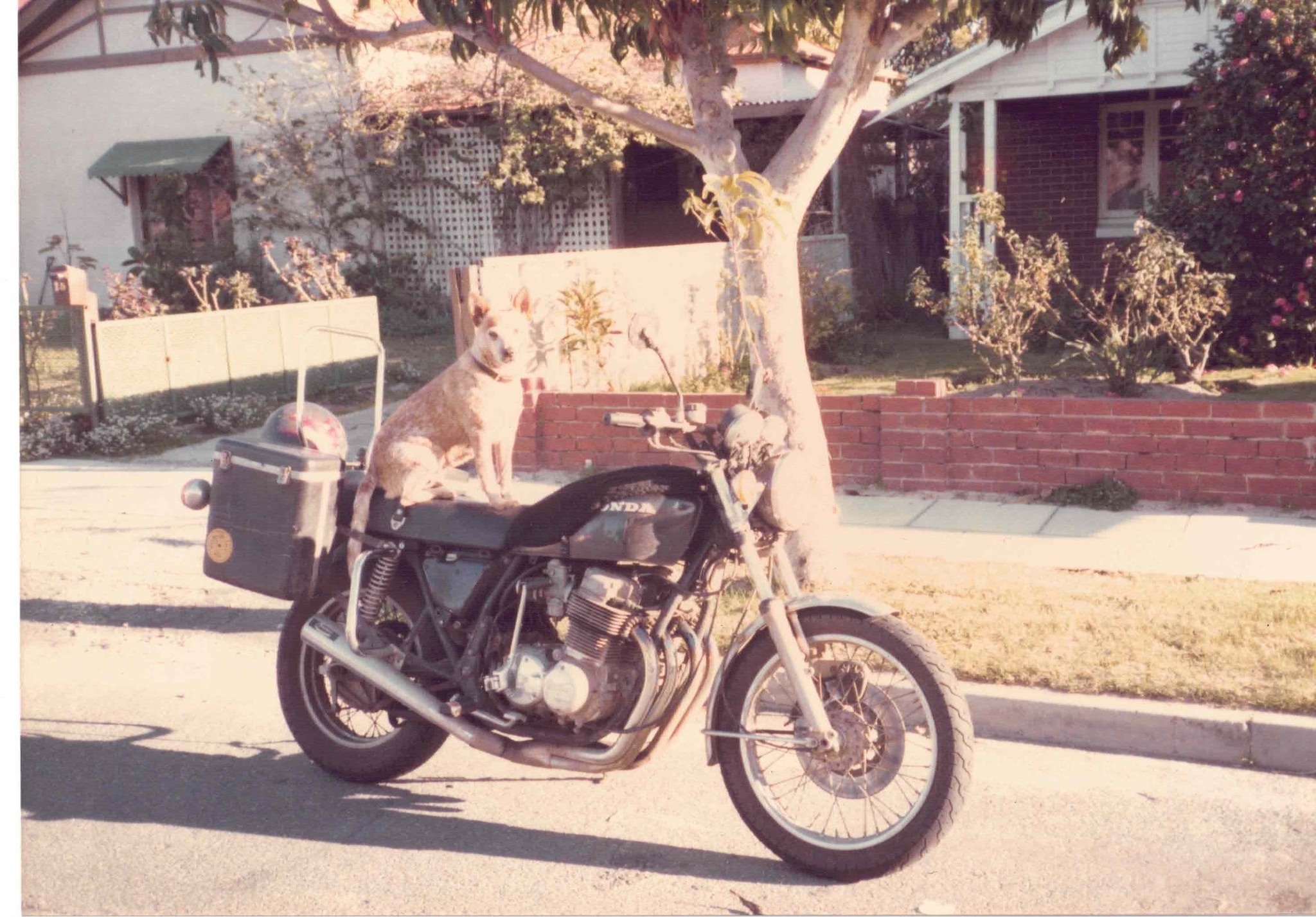
Dean then took up many jobs like in a clothes and haberdashery store in Kalamunda then at Jet Cycles in Gosnells. He then hitchhiked to Adelaide, where he stayed with Eve, worked in carpet laying and collected scrap metal with Eric, a Vietnam veteran. He purchased a Red Heeler puppy that grew in to a competent petrol tank passenger where they later rode across Australia back to Perth. Then not too long after that they rode back to Canberra to visit his dad Ed, always sleeping outdoors. After a time in Canberra Dean headed back to Perth via Queensland and the Northern Territory.
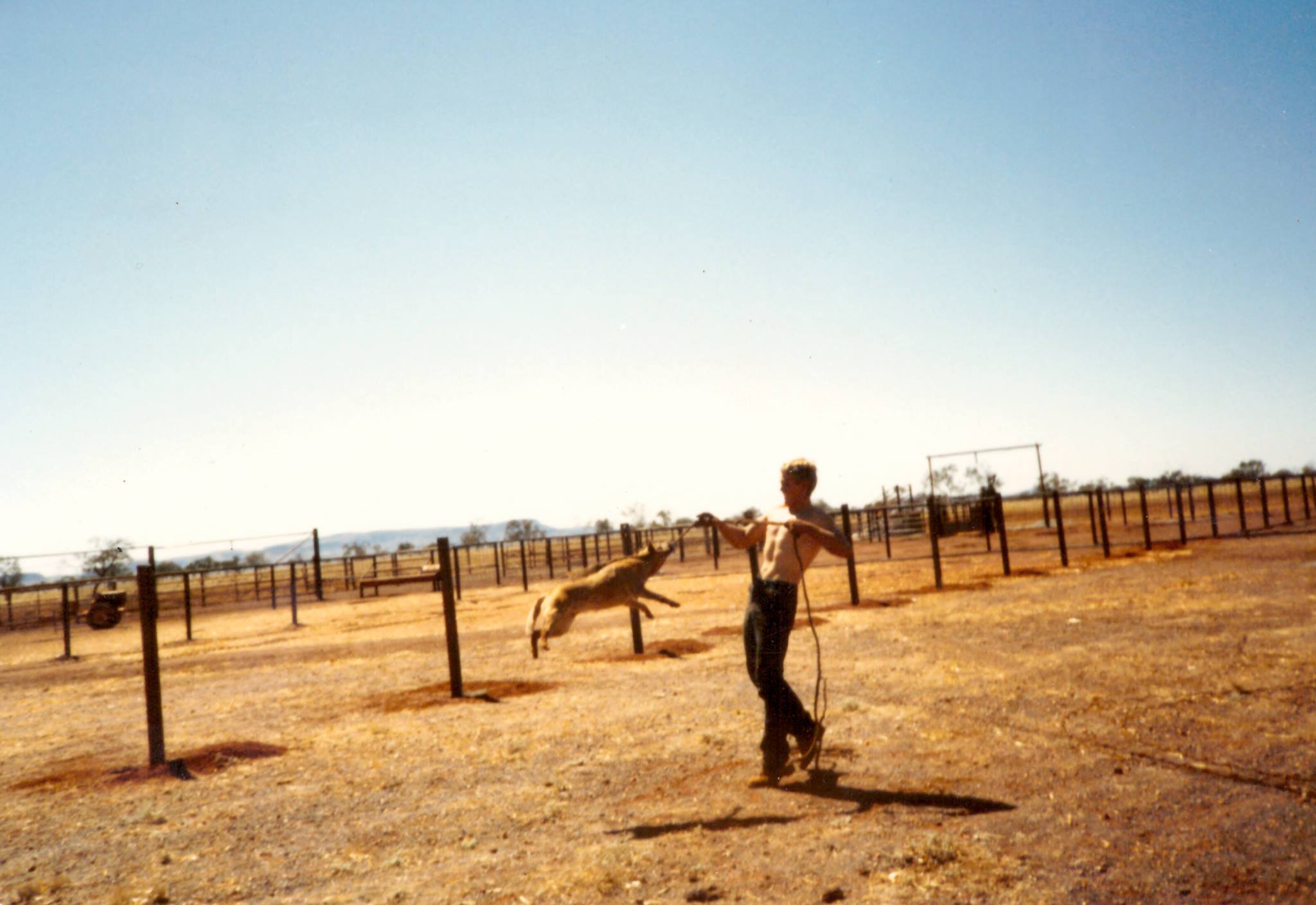
Gaining a determined to work on the land, Dean approached the Pastoralists and Graziers Association and completed horse-riding instruction near Quinns Rocks. The experience and physical demands of station life gave was very enjoyable for Dean but he thought he should see what else he could achieve in life as he could always return to station life. Back in Perth, he tried sales work, completed a cocktail-barman course and worked at the Raffles, Perth Casino, a Midland gym and the D’Orsogna abattoir. By his late teens he had moved through about fifteen jobs.
Dean had sold his car and obtained his passport ready to travel to Europe. But the Chernobyl disaster occurred at that time and Dean was concerned he would see all of Europe and be bored by the time he was 25 years old. So he decided to join the Army to burn up some years, get away from women distracting from ambition, and to gain some discipline.
Military life did not provide any extra discipline that Dean gained from his prior self imposed cycling training and travelling experience. Dean worked within the structure aspiring towards what he believed to be the most professional soldiering opportunity in the special forces. Whilst a paratrooper in 3RAR on Exercise Diamond Dollar at Coen, Queensland, he saw Lance Corporal Bateman fall to his death as a result of his parachutes becoming entangled and later gave evidence to the investigation panel.
Dean passed the special forces selection course in 1989 to become a soldier in the Special Air Service Regiment (SASR). Not long after his barracks room mate Douglas Flemming had a parachuting accident that wiped out his memory to force his military discharge so Dean packed up his belongings to send them home.
Starting out in Water Operations Dean had an ear drum burst that delayed completion of the training so he transferred to Air Operations to get on with completing the required specialist insertion skill. Very soon after Dean was put on a trial of parachutes and oxygen delivery systems to see what was best equipment and methods for high altitude parachuting. He was aware of the extra danger he was in because he was the most inexperienced free fall parachutist used as a guinea pig to see if he would fail, die, or demonstrate that it was possible to train other newly graduated free fallers in high altitude parachuting.
Parachuting had it's challenges: During a jump in Thailand, his main parachute failed so he used his reserve to save his life. On a night jump he initially mistook a river for a good clear patch to land on till he decended closer to realise he was about to land in a crocodile infested river whilst having two parts of a heavy machine gun strapped to either side of his body. These and other incidents had deep affect that would arise in him long after his service ended.
Dean was offered a chance to go to the Royal Military College Duntroon in Canberra so he hooked up with the nearest suitor (Katherine) and took her with him to Brisbane for a pre entry education course. As the education progressed Dean did not see any advancement in being an officer unless he could fly Blackhawk helicopters so chose to return to the SAS at the end of the education course. The relationship became difficult as pressure at work and home increased.
Dean used his improved education to enrol at university as a distance educated student and then carried university books on exercises and studied during long Hercules flights. This became gradually preparing for civilian life after concluding professional soldiering in the SASR
Gallery
There is more of this story to read
Dean Strautins has written more than is currently published. For US$20 you can publish the next 2,000 words and 10 photographs — for everyone, permanently.
Unlock more of Dean Strautins's story — US$20 onceNo account required. One-off payment, nothing recurring.